Items filtered by date: January 2026
How Peripheral Neuropathy Affects the Feet
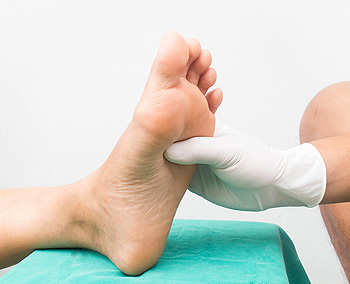
Peripheral neuropathy affects the feet by damaging the nerves responsible for sensation, balance, and muscle control. When these nerves do not function properly, people may notice numbness, tingling, burning, or sharp pain in the toes and soles. Reduced sensation can make it difficult to feel pressure, temperature changes, or minor injuries, which increases the risk of cuts, blisters, and skin breakdown going unnoticed. Muscle weakness related to nerve damage may also change the way the feet move during walking, leading to instability and a higher risk of falls. Over time, altered pressure points can contribute to calluses, ulcers, and joint strain in the feet and ankles. A podiatrist can evaluate nerve-related symptoms, monitor skin and nail health, address walking changes, and recommend appropriate treatment to protect foot function and reduce complications. If you have symptoms of peripheral neuropathy in your feet, it is suggested that you make regular appointments with a podiatrist for evaluation and treatment.
Neuropathy
Neuropathy can be a potentially serious condition, especially if it is left undiagnosed. If you have any concerns that you may be experiencing nerve loss in your feet, consult with Paula F. Angelini, DPM from Board Certified Foot Care. Our doctor will assess your condition and provide you with quality foot and ankle treatment for neuropathy.
What Is Neuropathy?
Neuropathy is a condition that leads to damage to the nerves in the body. Peripheral neuropathy, or neuropathy that affects your peripheral nervous system, usually occurs in the feet. Neuropathy can be triggered by a number of different causes. Such causes include diabetes, infections, cancers, disorders, and toxic substances.
Symptoms of Neuropathy Include:
- Numbness
- Sensation loss
- Prickling and tingling sensations
- Throbbing, freezing, burning pains
- Muscle weakness
Those with diabetes are at serious risk due to being unable to feel an ulcer on their feet. Diabetics usually also suffer from poor blood circulation. This can lead to the wound not healing, infections occurring, and the limb may have to be amputated.
Treatment
To treat neuropathy in the foot, podiatrists will first diagnose the cause of the neuropathy. Figuring out the underlying cause of the neuropathy will allow the podiatrist to prescribe the best treatment, whether it be caused by diabetes, toxic substance exposure, infection, etc. If the nerve has not died, then it’s possible that sensation may be able to return to the foot.
Pain medication may be issued for pain. Electrical nerve stimulation can be used to stimulate nerves. If the neuropathy is caused from pressure on the nerves, then surgery may be necessary.
If you have any questions, please feel free to contact our offices located in Attleboro, Foxborough, Southborough, and Sudbury, MA . We offer the newest diagnostic and treatment technologies for all your foot care needs.
Hammertoes That Involve Ligament Changes
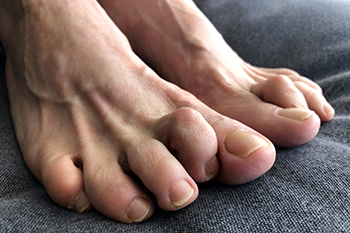
A hammertoe can develop when the soft tissues that guide toe movement stop working together the way they should. In some cases this includes a ligament in the foot that becomes overly tight or loses its normal support, causing the toe to lift at the middle joint and settle into a curved position. When this happens, the toe may feel stiff, sore, or crowded in a shoe because its alignment no longer matches the surrounding toes. The skin can become irritated from rubbing, and pressure points may form that make walking uncomfortable. Addressing the problem depends on how rigid the toe has become and how much the involved ligament is influencing the deformity. A podiatrist can examine the toe, review how the ligament is functioning, and suggest options such as shoe adjustments, protective padding, inserts, or procedures that correct the underlying cause. If the toe is becoming painful or harder to move, it is suggested that you see a podiatrist for effective treatment solutions.
Hammertoe
Hammertoes can be a painful condition to live with. For more information, contact Paula F. Angelini, DPM from Board Certified Foot Care. Our doctor will answer any of your foot- and ankle-related questions.
Hammertoe is a foot deformity that affects the joints of the second, third, fourth, or fifth toes of your feet. It is a painful foot condition in which these toes curl and arch up, which can often lead to pain when wearing footwear.
Symptoms
- Pain in the affected toes
- Development of corns or calluses due to friction
- Inflammation
- Redness
- Contracture of the toes
Causes
Genetics – People who are genetically predisposed to hammertoe are often more susceptible
Arthritis – Because arthritis affects the joints in your toes, further deformities stemming from arthritis can occur
Trauma – Direct trauma to the toes could potentially lead to hammertoe
Ill-fitting shoes – Undue pressure on the front of the toes from ill-fitting shoes can potentially lead to the development of hammertoe
Treatment
Orthotics – Custom made inserts can be used to help relieve pressure placed on the toes and therefore relieve some of the pain associated with it
Medications – Oral medications such as anti-inflammatories or NSAIDs could be used to treat the pain and inflammation hammertoes causes. Injections of corticosteroids are also sometimes used
Surgery – In more severe cases where the hammertoes have become more rigid, foot surgery is a potential option
If you have any questions, please feel free to contact our offices located in Attleboro, Foxborough, Southborough, and Sudbury, MA . We offer the newest diagnostic and treatment technologies for all your foot care needs.
The Achilles Tendon and Tendinitis
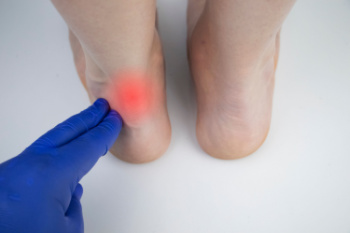
The Achilles tendon is the strong band of tissue that connects the calf muscles to the heel bone and plays a vital role in walking, running and jumping. Achilles tendinitis occurs when this tendon becomes irritated or inflamed often due to overuse, sudden increases in activity, tight calf muscles, or repetitive stress from running and jumping sports. Symptoms may include pain, stiffness, swelling, and tenderness near the back of the heel especially during movement. Without proper care the condition can worsen and interfere with daily activities. A podiatrist can help by accurately diagnosing the condition and creating a personalized treatment plan that may include activity modification, stretching therapy, footwear guidance, and supportive devices to reduce strain on the tendon. If you have heel or ankle pain, it is suggested that you consult a podiatrist who can offer effective relief and treatment solutions for what may be going on.
Achilles tendon injuries need immediate attention to avoid future complications. If you have any concerns, contact Paula F. Angelini, DPM of Board Certified Foot Care. Our doctor can provide the care you need to keep you pain-free and on your feet.
What Is the Achilles Tendon?
The Achilles tendon is a tendon that connects the lower leg muscles and calf to the heel of the foot. It is the strongest tendon in the human body and is essential for making movement possible. Because this tendon is such an integral part of the body, any injuries to it can create immense difficulties and should immediately be presented to a doctor.
What Are the Symptoms of an Achilles Tendon Injury?
There are various types of injuries that can affect the Achilles tendon. The two most common injuries are Achilles tendinitis and ruptures of the tendon.
Achilles Tendinitis Symptoms
- Inflammation
- Dull to severe pain
- Increased blood flow to the tendon
- Thickening of the tendon
Rupture Symptoms
- Extreme pain and swelling in the foot
- Total immobility
Treatment and Prevention
Achilles tendon injuries are diagnosed by a thorough physical evaluation, which can include an MRI. Treatment involves rest, physical therapy, and in some cases, surgery. However, various preventative measures can be taken to avoid these injuries, such as:
- Thorough stretching of the tendon before and after exercise
- Strengthening exercises like calf raises, squats, leg curls, leg extensions, leg raises, lunges, and leg presses
If you have any questions please feel free to contact our offices located in Attleboro, Foxborough, Southborough, and Sudbury, MA . We offer the newest diagnostic tools and technology to treat your foot and ankle needs.
Managing Ingrown Toenails

Ingrown toenails, which account for approximately 20 percent of all foot issues, develop when the edge of a toenail grows into the surrounding skin. The affected toe may look red, swollen, and tender, and, in some cases, pus or an infection may develop. It often feels painful, throbbing, or sore, especially when wearing shoes or applying pressure. Common causes include improper nail trimming, wearing tight or ill-fitting footwear, injury to the toe, or hereditary nail shape. A podiatrist can begin by examining the nail and surrounding tissue, assessing the severity of the ingrown nail, and checking for infection. Treatment may include safe removal of the ingrown portion, guidance on proper nail care, infection management, if needed, and recommendations for protective footwear or orthotics to reduce pressure. In chronic or severe cases, minor surgical procedures may be performed to prevent recurrence. Because early professional care reduces pain and prevents complications, it is suggested that you schedule an appointment with a podiatrist for effective relief and treatment solutions.
Ingrown toenails may initially present themselves as a minor discomfort, but they may progress into an infection in the skin without proper treatment. For more information about ingrown toenails, contact Paula F. Angelini, DPM of Board Certified Foot Care. Our doctor can provide the care you need to keep you pain-free and on your feet.
Ingrown Toenails
Ingrown toenails are caused when the corner or side of a toenail grows into the soft flesh surrounding it. They often result in redness, swelling, pain, and in some cases, infection. This condition typically affects the big toe and may recur if it is not treated properly.
Causes
- Improper toenail trimming
- Genetics
- Improper shoe fitting
- Injury from pedicures or nail picking
- Abnormal gait
- Poor hygiene
You are more likely to develop an ingrown toenail if you are obese, have diabetes, arthritis, or have any fungal infection in your nails. Additionally, people who have foot or toe deformities are at a higher risk of developing an ingrown toenail.
Symptoms
Some symptoms of ingrown toenails are redness, swelling, and pain. In rare cases, there may be a yellowish drainage coming from the nail.
Treatment
Ignoring an ingrown toenail can have serious complications. Infections of the nail border can progress to a deeper soft-tissue infection, which can then turn into a bone infection. You should always speak with your podiatrist if you suspect you have an ingrown toenail, especially if you have diabetes or poor circulation.
If you have any questions, please feel free to contact our offices located in Attleboro, Foxborough, Southborough, and Sudbury, MA . We offer the newest diagnostic and treatment technologies for all your foot care needs.