Items filtered by date: September 2025
Peripheral Artery Disease and Foot Health
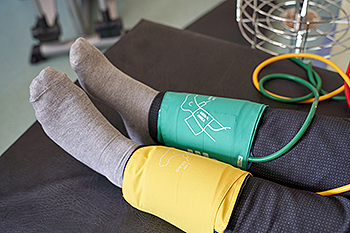
Peripheral artery disease, or PAD, is a condition in which the arteries that supply blood to the limbs become narrowed or blocked, reducing circulation. Causes include atherosclerosis, smoking, diabetes, high blood pressure, and elevated cholesterol. PAD often affects the feet, leading to slow healing, cold or discolored skin, and increased risk of infections or ulcers. Symptoms may include leg pain, cramping, numbness, or tingling, particularly during activity. Risk factors include age, sedentary lifestyle, and cardiovascular disease. A podiatrist can monitor foot health, provide treatments to improve circulation, and prevent complications. If you have symptoms of PAD, it is strongly suggested that you consult a podiatrist who can help you manage this condition.
Peripheral artery disease can pose a serious risk to your health. It can increase the risk of stroke and heart attack. If you have symptoms of peripheral artery disease, consult with Paula F. Angelini, DPM from Board Certified Foot Care. Our doctor will assess your condition and provide you with quality foot and ankle treatment.
Peripheral artery disease (PAD) is when arteries are constricted due to plaque (fatty deposits) build-up. This results in less blood flow to the legs and other extremities. The main cause of PAD is atherosclerosis, in which plaque builds up in the arteries.
Symptoms
Symptoms of PAD include:
- Claudication (leg pain from walking)
- Numbness in legs
- Decrease in growth of leg hair and toenails
- Paleness of the skin
- Erectile dysfunction
- Sores and wounds on legs and feet that won’t heal
- Coldness in one leg
It is important to note that a majority of individuals never show any symptoms of PAD.
Diagnosis
While PAD occurs in the legs and arteries, Podiatrists can diagnose PAD. Podiatrists utilize a test called an ankle-brachial index (ABI). An ABI test compares blood pressure in your arm to you ankle to see if any abnormality occurs. Ultrasound and imaging devices may also be used.
Treatment
Fortunately, lifestyle changes such as maintaining a healthy diet, exercising, managing cholesterol and blood sugar levels, and quitting smoking, can all treat PAD. Medications that prevent clots from occurring can be prescribed. Finally, in some cases, surgery may be recommended.
If you have any questions, please feel free to contact our offices located in Attleboro, Foxborough, Southborough, and Sudbury, MA . We offer the newest diagnostic and treatment technologies for all your foot care needs.
Stretches That May Help to Relieve Pain From Plantar Fasciitis
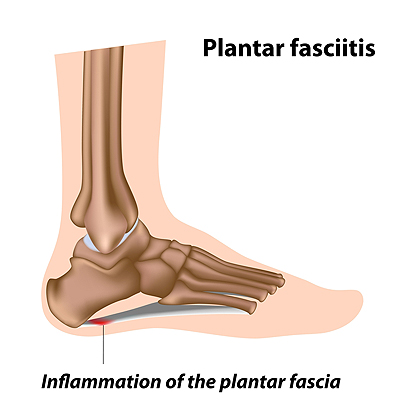 The medical condition that is known as plantar fasciitis can often cause severe pain and discomfort. It affects the heel and arch of the foot, and it may be difficult to walk. The plantar fascia is identified as a portion of tissue that is found on the bottom of the foot, and connects the heel to the toes. Research has indicated there are specific stretches that can be performed which may help to strengthen the plantar fascia. These can consist of sitting on the floor and placing a towel around the bottom of the foot while gently pulling the feet close towards the body. Stretching the calf muscles may help to relieve pain that can originate from plantar fasciitis. This is accomplished by standing on a step, and raising and lowering one heel at a time. If you would like additional information about how stretches may help plantar fasciitis, please consult with a podiatrist.
Plantar fasciitis is a common foot condition that is often caused by a strain injury. If you are experiencing heel pain or symptoms of plantar fasciitis, contact Paula F. Angelini, DPM from Board Certified Foot Care. Our doctor can provide the care you need to keep you pain-free and on your feet.
What Is Plantar Fasciitis?
Plantar fasciitis is one of the most common causes of heel pain. The plantar fascia is a ligament that connects your heel to the front of your foot. When this ligament becomes inflamed, plantar fasciitis is the result. If you have plantar fasciitis you will have a stabbing pain that usually occurs with your first steps in the morning. As the day progresses and you walk around more, this pain will start to disappear, but it will return after long periods of standing or sitting.
What Causes Plantar Fasciitis?
- Excessive running
- Having high arches in your feet
- Other foot issues such as flat feet
- Pregnancy (due to the sudden weight gain)
- Being on your feet very often
There are some risk factors that may make you more likely to develop plantar fasciitis compared to others. The condition most commonly affects adults between the ages of 40 and 60. It also tends to affect people who are obese because the extra pounds result in extra stress being placed on the plantar fascia.
Prevention
- Take good care of your feet – Wear shoes that have good arch support and heel cushioning.
- Maintain a healthy weight
- If you are a runner, alternate running with other sports that won’t cause heel pain
There are a variety of treatment options available for plantar fasciitis along with the pain that accompanies it. Additionally, physical therapy is a very important component in the treatment process. It is important that you meet with your podiatrist to determine which treatment option is best for you.
If you have any questions, please feel free to contact our offices located in Attleboro, Foxborough, Southborough, and Sudbury, MA . We offer the newest diagnostic and treatment technologies for all your foot care needs.
Get Proper Treatment for Ankle Injuries

If you're experiencing ankle pain, you may be suffering from an ankle injury. Sprains, fractures, Achilles tendonitis, and Achilles tendon ruptures are just some examples of potential ankle injuries. Don't wait for care for an ankle injury, as it may worsen over time. We can help!
How Should Heels Fit for Healthy Feet

High heels should fit securely and comfortably to support proper foot alignment and prevent pain. When heels are too big, the foot slips forward, causing blisters and instability. If they are too small, they can pinch the toes and create corns or bunions. Shoes that are too narrow may lead to nerve compression or hammertoes, while heels that are too wide fail to provide support, increasing the risk of falls. Poorly fitted high heels can contribute to chronic pain and long-term foot conditions over time. A podiatrist can help by diagnosing problems caused by ill-fitting footwear and offer effective treatment solutions. If you have developed foot pain from wearing high-heeled shoes that do not fit correctly, it is suggested that you consult a podiatrist who can treat various foot conditions.
Getting the right shoe size is an important part of proper foot health. Seek the assistance of Paula F. Angelini, DPM from Board Certified Foot Care. Our doctor will provide the care you need to keep you pain-free and on your feet.
Getting the Right Shoe Size
There are many people who wear shoes that are the incorrect size, negatively affecting their feet and posture. Selecting the right shoes is not a difficult process, so long as you keep several things in mind when it comes to choosing the right pair.
- When visiting the shoe store, use the tools available to measure your foot.
- Be sure there is ‘wiggle room’. There should be about an inch between your toes and the tip of your shoes.
- Do not always assume you are the same size, as manufacturers run differently.
- Purchase shoes later in the day, as your feet swell as the day progresses.
- If a shoe is not comfortable, it is not suitable. Most shoes can’t be ‘broken in’, and comfort should be the ultimate goal when it comes to choosing the right pair of shoes
As our feet hold our body weight and keep us moving, it is important to treat them right. Picking the right pair of shoes can provide your feet comfort and mobility without pain.
If you have any questions, please feel free to contact our offices located in Attleboro, Foxborough, Southborough, and Sudbury, MA . We offer the newest diagnostic and treatment technologies for all your foot care needs.
Understanding Ankle Fractures
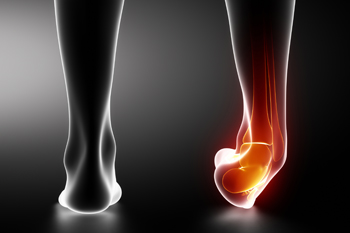
Ankle fractures are breaks in one or more of the bones that make up the ankle joint and can result from sports injuries, falls, car accidents, or by simply twisting the ankle the wrong way. Symptoms often include sudden pain or swelling, difficulty bearing weight, and a visible deformity, in more severe cases. The area may feel tender, unstable, or too painful to touch or move. An ankle fracture can sometimes be mistaken for a sprain, making proper diagnosis essential. A podiatrist can assess the injury through a physical exam and imaging tests such as X-rays or CT scans to determine the type and severity of the fracture. Treatment options include immobilization with a cast or brace, or, in more serious cases, surgical intervention to realign the bones. Rehabilitation and targeted exercises may also be needed for full recovery. If you experience symptoms of an ankle fracture, it is suggested that you promptly schedule an appointment with a podiatrist for appropriate treatment.
Broken ankles need immediate treatment. If you are seeking treatment, contact Paula F. Angelini, DPM from Board Certified Foot Care. Our doctor can provide the care you need to keep you pain-free and on your feet.
Broken Ankles
A broken ankle is experienced when a person fractures their tibia or fibula in the lower leg and ankle area. Both of these bones are attached at the bottom of the leg and combine to form what we know to be our ankle.
When a physician is referring to a break of the ankle, he or she is usually referring to a break in the area where the tibia and fibula are joined to create our ankle joint. Ankles are more prone to fractures because the ankle is an area that suffers a lot of pressure and stress. There are some obvious signs when a person experiences a fractured ankle, and the following symptoms may be present.
Symptoms of a Fractured Ankle
- Excessive pain when the area is touched or when any pressure is placed on the ankle
- Swelling around the area
- Bruising of the area
- Area appears to be deformed
If you suspect an ankle fracture, it is recommended to seek treatment as soon as possible. The sooner you have your podiatrist diagnose the fracture, the quicker you’ll be on the way towards recovery.
If you have any questions, please feel free to contact our offices located in Attleboro, Foxborough, Southborough, and Sudbury, MA . We offer the newest diagnostic and treatment technologies for all your foot care needs.
Understanding Gout and the Foods to Avoid
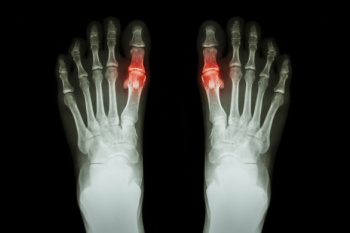
Gout is a form of arthritis caused by the buildup of uric acid crystals in the joints, most often affecting the big toe. It has long been called the disease of kings, due to its association with rich foods and indulgence. A gout attack can bring sudden, intense pain, swelling, and redness, making it difficult to walk or wear shoes. To help manage gout, it is best to avoid foods high in purines such as red meat, shellfish, and alcohol while choosing more fruits, vegetables, whole grains, and low fat dairy. A podiatrist can provide treatment for pain relief and guidance for prevention. If you are experiencing gout symptoms, it is suggested that you are under the care of a podiatrist who can help you with effective management and prevention tips.
Gout is a painful condition that can be treated. If you are seeking treatment, contact Paula F. Angelini, DPM from Board Certified Foot Care. Our doctor will treat your foot and ankle needs.
What Is Gout?
Gout is a form of arthritis that is characterized by sudden, severe attacks of pain, redness, and tenderness in the joints. The condition usually affects the joint at the base of the big toe. A gout attack can occur at any random time, such as the middle of the night while you are asleep.
Symptoms
- Intense Joint Pain - Usually around the large joint of your big toe, and it most severe within the first four to twelve hours
- Lingering Discomfort - Joint discomfort may last from a few days to a few weeks
- Inflammation and Redness -Affected joints may become swollen, tender, warm and red
- Limited Range of Motion - May experience a decrease in joint mobility
Risk Factors
- Genetics - If family members have gout, you’re more likely to have it
- Medications - Diuretic medications can raise uric acid levels
- Gender/Age - Gout is more common in men until the age of 60. It is believed that estrogen protects women until that point
- Diet - Eating red meat and shellfish increases your risk
- Alcohol - Having more than two alcoholic drinks per day increases your risk
- Obesity - Obese people are at a higher risk for gout
Prior to visiting your podiatrist to receive treatment for gout, there are a few things you should do beforehand. If you have gout you should write down your symptoms--including when they started and how often you experience them, important medical information you may have, and any questions you may have. Writing down these three things will help your podiatrist in assessing your specific situation so that he or she may provide the best route of treatment for you.
If you have any questions, please feel free to contact our offices located in Attleboro, Foxborough, Southborough, and Sudbury, MA . We offer the newest diagnostic and treatment technologies for all your foot care needs.