Items filtered by date: December 2025
We Can Treat Your Foot or Ankle Pain
Foot or ankle pain can negatively affect your day-to-day life and can occur due to several different conditions. Pain can also be an indicator of a more serious underlying condition, which is why you should seek professional help as soon as you notice any abnormalities in your feet.
Causes of Red and Shiny Toes
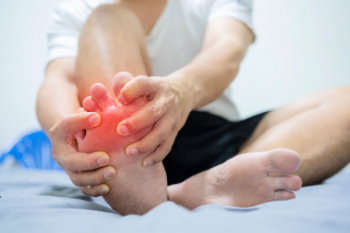
Red and shiny toes can be a sign of several underlying conditions that affect circulation, skin, or joints. Raynaud’s disease can cause color changes, including redness after cold exposure, along with tingling or numbness. Chilblains may create red, swollen, and shiny patches that feel itchy or tender after exposure to damp or cold conditions. Gout often leads to sudden redness, intense pain, and warmth in the big toe due to inflammation from uric acid buildup. Infections can also cause redness, swelling, and a shiny appearance as the skin becomes irritated or inflamed. A podiatrist can identify the cause, provide proper treatment, and help prevent complications by addressing circulation, skin health, or joint inflammation. If you notice persistent redness or shine on your toes, it is suggested that you are under the care of a podiatrist who can provide an accurate diagnosis and offer effective relief and treatment solutions.
Toe pain can disrupt your daily activities. If you have any concerns, contact Paula F. Angelini, DPM of Board Certified Foot Care. Our doctor can provide the care you need to keep you pain-free and on your feet.
What Causes Toe Pain?
Most severe toe pain is caused due to a sports injury, trauma from dropping something heavy on the toe, or bumping into something rigid. Other problems can develop over time for various reasons.
Toe pain can be caused by one or more ailments. The most common include:
- Trauma
- Sports injury
- Wearing shoes that are too tight
- Arthritis
- Gout
- Corns and calluses
- Hammertoe
- Bunions
- Blisters
- Ingrown toenails
- Sprains
- Fractures (broken bones)
- Dislocations
When to See a Podiatrist
- Severe pain
- Persistent pain that lasts more than a week
- Signs of infection
- Continued swelling
- Pain that prevents walking
Diagnosis
In many cases the cause of toe pain is obvious, but in others, a podiatrist may want to use more advanced methods to determine the problem. These can range from simple visual inspections and sensation tests to X-rays and MRI scans. Prior medical history, family medical history, and any recent physical traumatic events will all be taken into consideration for a proper diagnosis.
Treatment
Treatments for toe pain and injuries vary and may include shoe inserts, padding, taping, medicines, injections, and in some cases, surgery. If you believe that you have broken a toe, please see a podiatrist as soon as possible.
If you have any questions please contact our offices located in Attleboro, Foxborough, Southborough, and Sudbury, MA . We offer the newest diagnostic and treatment technologies for all your foot and ankle needs.
Dealing With Painful Gout

Gout is a type of arthritis that can occur suddenly, often at night, causing severe pain and swelling in the affected joint. It is the result of uric acid building up in the bloodstream and forming crystals that deposit in joints, particularly in the big toe. This can result from consuming too many purine-rich foods like red meat, shellfish, and alcohol, or due to kidney issues that prevent uric acid from being excreted properly. Symptoms include intense joint pain, swelling, redness, and warmth, which can feel like a throbbing or burning sensation. The pain may be so severe that even the weight of a sheet can be unbearable. Gout attacks can last for days and may recur if left untreated. A podiatrist can help by diagnosing gout through a physical exam, blood test, or joint fluid analysis. They may recommend lifestyle changes, medications, or other specific treatments to relieve pain and prevent future attacks. If you are dealing with this condition, it is suggested that you make an appointment with a podiatrist for care.
Gout is a foot condition that requires certain treatment and care. If you are seeking treatment, contact Paula F. Angelini, DPM from Board Certified Foot Care. Our doctor will treat your foot and ankle needs.
What Is Gout?
Gout is a type of arthritis caused by a buildup of uric acid in the bloodstream. It often develops in the foot, especially the big toe area, although it can manifest in other parts of the body as well. Gout can make walking and standing very painful and is especially common in diabetics and the obese.
People typically get gout because of a poor diet. Genetic predisposition is also a factor. The children of parents who have had gout frequently have a chance of developing it themselves.
Gout can easily be identified by redness and inflammation of the big toe and the surrounding areas of the foot. Other symptoms include extreme fatigue, joint pain, and running high fevers. Sometimes corticosteroid drugs can be prescribed to treat gout, but the best way to combat this disease is to get more exercise and eat a better diet.
If you have any questions, please feel free to contact our offices located in Attleboro, Foxborough, Southborough, and Sudbury, MA . We offer the newest diagnostic and treatment technologies for all your foot care needs.
Why High Heels Can Harm Your Feet
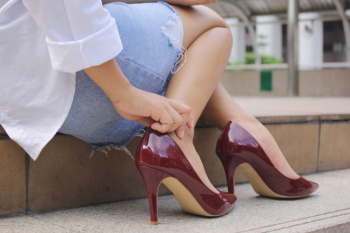
High heels may look stylish, but they place excessive strain on the front of the foot, forcing the toes and forefoot to carry most of the body’s weight. Over time, this pressure can lead to pain, bunions, hammertoes, and inflammation. Wearing heels also causes the muscles at the back of the foot and calf to shorten, which affects balance, posture, and overall foot function. Tight calf muscles can increase the risk of plantar fasciitis, Achilles discomfort, and long term mobility issues. A podiatrist can evaluate your foot structure, offer pain relief options, recommend proper footwear, and create a personalized plan to protect your feet. If you have foot pain from wearing high heels, it is suggested that you consult a podiatrist who can treat various foot conditions, and guide you on more suitable shoes to wear.
High heels have a history of causing foot and ankle problems. If you have any concerns about your feet or ankles, contact Paula F. Angelini, DPM from Board Certified Foot Care. Our doctor can provide the care you need to keep you pain-free and on your feet.
Effects of High Heels on the Feet
High heels are popular shoes among women because of their many styles and societal appeal. Despite this, high heels can still cause many health problems if worn too frequently.
Which Parts of My Body Will Be Affected by High Heels?
- Ankle Joints
- Achilles Tendon – May shorten and stiffen with prolonged wear
- Balls of the Feet
- Knees – Heels cause the knees to bend constantly, creating stress on them
- Back – They decrease the spine’s ability to absorb shock, which may lead to back pain. The vertebrae of the lower back may compress.
What Kinds of Foot Problems Can Develop from Wearing High Heels?
- Corns
- Calluses
- Hammertoe
- Bunions
- Morton’s Neuroma
- Plantar Fasciitis
How Can I Still Wear High Heels and Maintain Foot Health?
If you want to wear high heeled shoes, make sure that you are not wearing them every day, as this will help prevent long term physical problems. Try wearing thicker heels as opposed to stilettos to distribute weight more evenly across the feet. Always make sure you are wearing the proper shoes for the right occasion, such as sneakers for exercising. If you walk to work, try carrying your heels with you and changing into them once you arrive at work. Adding inserts to your heels can help cushion your feet and absorb shock. Full foot inserts or metatarsal pads are available.
If you have any questions, please feel free to contact our offices located in Attleboro, Foxborough, Southborough, and Sudbury, MA . We offer the newest diagnostic and treatment technologies for all your foot care needs.
Flat Feet and Treatment Options

Flat feet occur when the arches collapse and the entire sole touches the ground, which can lead to pain, fatigue, and changes in walking mechanics. Some individuals benefit from surgery when conservative care is not enough. Surgical correction can improve alignment and reduce chronic pain, but it also requires recovery time and carries risks such as stiffness or incomplete relief. A podiatrist can evaluate your feet, recommend orthotics and supportive footwear, and discuss whether surgery is an appropriate option for your condition. Taking action early can prevent long-term problems. If you have discomfort from flat feet, it is suggested that you are under the care of a podiatrist who can discuss viable treatment options with you, which may include surgery to restore comfort and mobility.
Foot surgery is sometimes necessary to treat a foot ailment. To learn more, contact Paula F. Angelini, DPM of Board Certified Foot Care. Our doctor will assist you with all of your foot and ankle needs.
When Is Surgery Necessary?
Foot and ankle surgery is generally reserved for cases in which less invasive, conservative procedures have failed to alleviate the problem. Some of the cases in which surgery may be necessary include:
- Removing foot deformities like bunions and bone spurs
- Severe arthritis that has caused bone issues
- Cosmetic reconstruction
What Types of Surgery Are There?
The type of surgery you receive will depend on the nature of the problem you have. Some of the possible surgeries include:
- Bunionectomy for painful bunions
- Surgical fusion for realignment of bones
- Neuropathy decompression surgery to treat nerve damage
Benefits of Surgery
Although surgery is usually a last resort, it can provide more complete pain relief compared to non-surgical methods and may allow you to finally resume full activity.
Surgical techniques have also become increasingly sophisticated. Techniques like endoscopic surgery allow for smaller incisions and faster recovery times.
If you have any questions, please feel free to contact our offices located in Attleboro, Foxborough, Southborough, and Sudbury, MA . We offer the newest diagnostic and treatment technologies for all your foot care needs.
Tips for Preventing Falls at Home
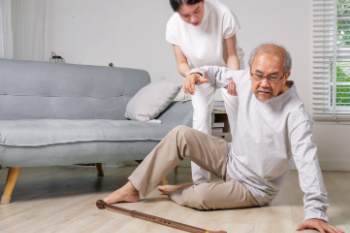
Falls at home often occur because of poor balance, reduced foot strength, or problems with sensation in the feet. When the muscles, joints, or nerves in the feet and ankles are weak or painful, balance can become unstable, increasing the chance of tripping. Wearing shoes that lack adequate support, such as flip-flops or worn-out slippers, can also make the feet more vulnerable to slipping. Proper footwear with firm soles and a secure fit helps improve stability and reduce strain on the arches and ankles. People with neuropathy, bunions, or arthritis can have difficulty sensing uneven ground or adjusting quickly to changes in surface texture. A podiatrist can assess foot strength, check for nerve or circulation problems, prescribe custom orthotics to improve balance, and recommend footwear that supports safer walking. If you are at risk for falling, it is suggested that you make an appointment with a podiatrist for a diagnosis and treatment.
Preventing falls among the elderly is very important. If you are older and have fallen or fear that you are prone to falling, consult with Paula F. Angelini, DPM from Board Certified Foot Care. Our doctor will assess your condition and provide you with quality advice and care.
Every 11 seconds, an elderly American is being treated in an emergency room for a fall related injury. Falls are the leading cause of head and hip injuries for those 65 and older. Due to decreases in strength, balance, senses, and lack of awareness, elderly persons are very susceptible to falling. Thankfully, there are a number of things older persons can do to prevent falls.
How to Prevent Falls
Some effective methods that older persons can do to prevent falls include:
- Enrolling in strength and balance exercise program to increase balance and strength
- Periodically having your sight and hearing checked
- Discuss any medications you have with a doctor to see if it increases the risk of falling
- Clearing the house of falling hazards and installing devices like grab bars and railings
- Utilizing a walker or cane
- Wearing shoes that provide good support and cushioning
- Talking to family members about falling and increasing awareness
Falling can be a traumatic and embarrassing experience for elderly persons; this can make them less willing to leave the house, and less willing to talk to someone about their fears of falling. Doing such things, however, will increase the likelihood of tripping or losing one’s balance. Knowing the causes of falling and how to prevent them is the best way to mitigate the risk of serious injury.
If you have any questions, please feel free to contact our offices located in Attleboro, Foxborough, Southborough, and Sudbury, MA . We offer the newest diagnostic and treatment technologies for all your foot care needs.