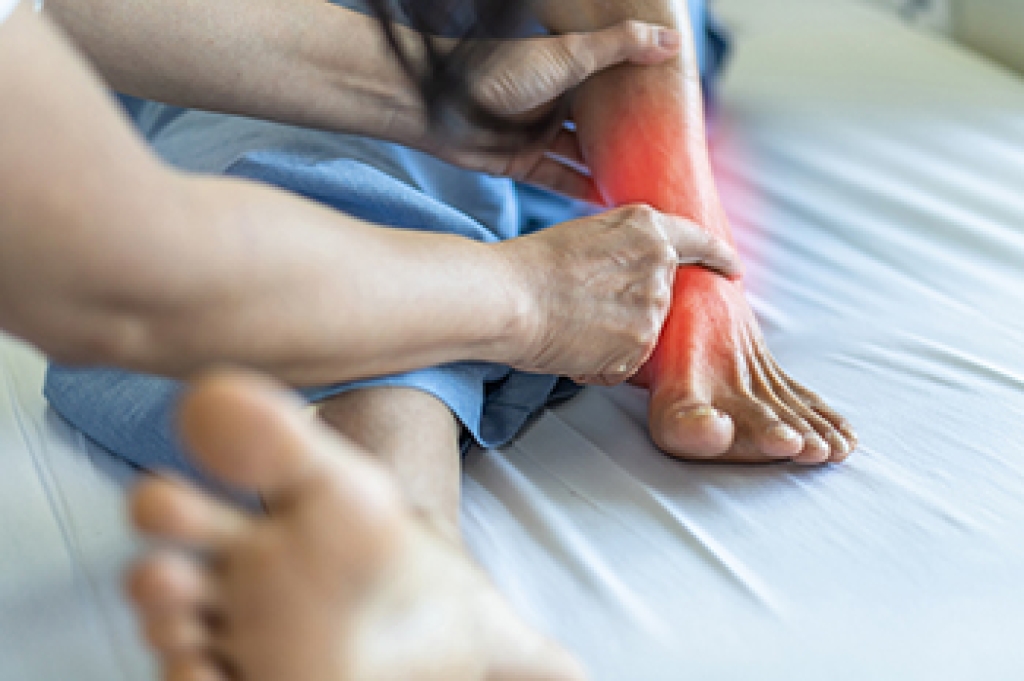
Common Causes and Risk Factors of Heel Pain

Heel pain is a frequent foot complaint that can affect people of all ages and activity levels. It occurs when the structures that support the heel become irritated or inflamed. The heel absorbs significant impact during walking and running, which makes it vulnerable to stress and injury. Pain may develop gradually or suddenly, depending on the cause. Common types of heel pain involve the plantar fascia and the Achilles tendon, both of which play essential roles in foot movement and stability.

Symptoms of heel pain can vary based on the underlying condition, but often include swelling, stiffness, and discomfort during movement. Some individuals may experience numbness or a tingling sensation in the heel or surrounding areas. Pain is often worse in the morning or after periods of rest, and may improve with light activity before returning with prolonged use. Tenderness at the bottom or back of the heel is common, and pressure on the area may increase discomfort. These symptoms can interfere with daily routines and physical activity.


Several conditions can cause heel pain. Plantar fasciitis is one of the most common, involving inflammation of the band of tissue that runs along the bottom of the foot. Heel spurs, which are bony growths on the heel bone, may develop alongside plantar fasciitis and contribute to pain. Achilles tendonitis affects the tendon at the back of the heel and is often linked to overuse or strain. Each condition involves different structures but can produce similar symptoms that require careful evaluation.


Risk factors for heel pain include prolonged standing, high-impact activities, and poor foot mechanics. Obesity and aging can also increase stress on the heel. Tight calf muscles and lack of flexibility may further contribute to discomfort. Early care is important to prevent chronic issues and support recovery. If you have heel pain, it is suggested that you promptly consult a podiatrist for an accurate diagnosis and appropriate treatment.

Many people suffer from bouts of heel pain. For more information, contact Paula F. Angelini, DPM of Board Certified Foot Care. Our doctor can provide the care you need to keep you pain-free and on your feet.

Causes of Heel Pain

Heel pain is often associated with plantar fasciitis. The plantar fascia is a band of tissues that extends along the bottom of the foot. A rip or tear in this ligament can cause inflammation of the tissue.

Achilles tendonitis is another cause of heel pain. Inflammation of the Achilles tendon will cause pain from fractures and muscle tearing. Lack of flexibility is also another symptom.

Heel spurs are another cause of pain. When the tissues of the plantar fascia undergo a great deal of stress, it can lead to ligament separation from the heel bone, causing heel spurs.

Why Might Heel Pain Occur?

  • Wearing ill-fitting shoes                
  • Wearing non-supportive shoes
  • Weight change           
  • Excessive running

Treatments

Heel pain should be treated as soon as possible for immediate results. Keeping your feet in a stress-free environment will help. If you suffer from Achilles tendonitis or plantar fasciitis, applying ice will reduce the swelling. Stretching before an exercise like running will help the muscles. Using all these tips will help make heel pain a condition of the past.

If you have any questions, please feel free to contact our offices located in Attleboro, Foxborough, Southborough, and Sudbury, MA . We offer the newest diagnostic and treatment technologies for all your foot care needs.

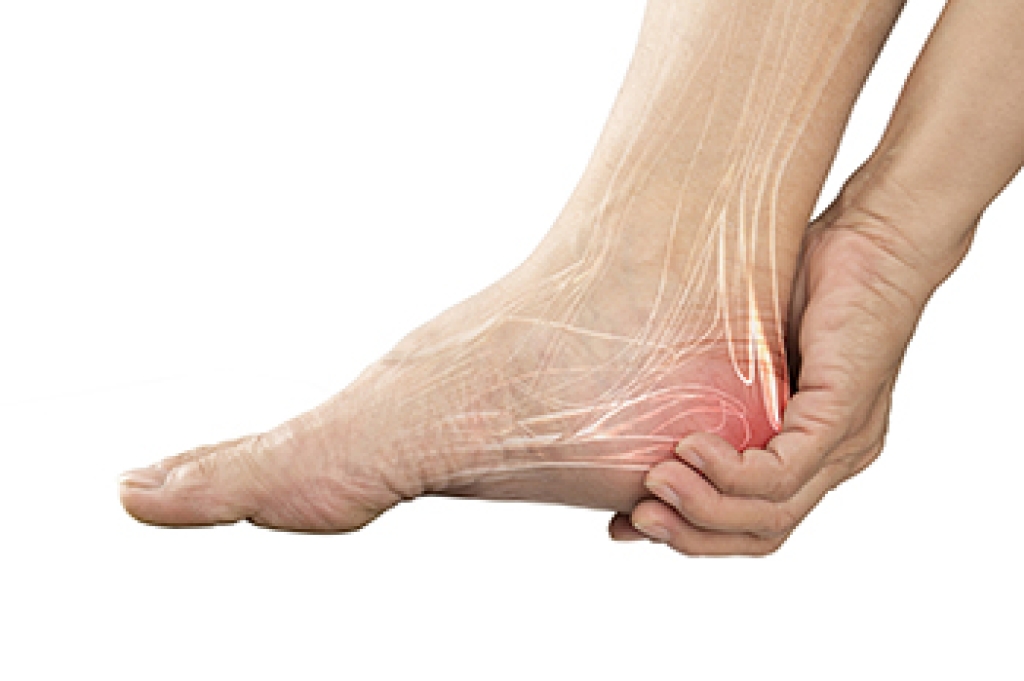
Read more about Heel Pain

Common Foot Problems in Older Adults

Foot problems in older adults are common due to natural aging changes, reduced circulation, and long-term wear on joints and soft tissues. These conditions can affect mobility, balance, and overall independence. Arthritis is one of the most frequent concerns, and is defined as inflammation within the joints that leads to pain and stiffness. Bunions are structural deformities where the big toe shifts toward the second toe, creating a bony bump at the base. Hammertoes occur when the smaller toes bend abnormally at the joints. Diabetes-related foot complications involve nerve damage and poor circulation that increase the risk of wounds and infection.

Symptoms vary depending on the condition, but often include pain, swelling, stiffness, and visible changes in foot shape. Individuals with arthritis may notice joint tenderness and limited motion. Bunions can cause redness and irritation, especially when wearing tight shoes. Hammertoes may lead to corns and pressure points. Diabetes-related conditions can present with numbness, tingling, or slow-healing wounds. These symptoms can worsen without proper care and lead to reduced mobility.


Risk factors for these foot problems include advancing age, decreased bone density, and long-term joint stress. Wearing poor footwear, lack of physical activity, and chronic medical conditions such as diabetes can also contribute. Circulatory issues and nerve damage can further increase complications, especially in individuals with diabetes. Over time, these factors place added strain on the feet and increase the likelihood of deformity and injury.


Managing foot health in older adults involves early detection and proper support. Wearing well-fitted shoes with adequate cushioning can reduce pressure and improve comfort. Regular foot checks are important for identifying changes before they become severe. Treatment may include orthotics, activity modification, and medical care. If you have foot problems related to age, it is suggested that you consult a podiatrist for effective relief, treatment, and management solutions.

If you need your feet checked, contact Paula F. Angelini, DPM of Board Certified Foot Care. Our doctor will attend to all of your foot and ankle needs and provide you with quality treatment.

Geriatrics and Podiatry
When people age, some common issues that may occur are bone density loss, dry skin, poor circulation, and rough brittle nails. These issues may also affect your foot health if the necessary steps are not taken to alleviate the problems.

It is important to take care of your feet because feet that are injured or diseased can affect your overall health. Having painful feet hinders your ability to do daily activities or may decrease your willingness to do the things that you need to do.

Visiting Your Geriatrician
As we age, health problems become more likely, so it is essential to visit your doctor for check-ups to ensure that you are doing the best you can to take care of your health. It is recommended to check your feet frequently for any possible cuts, bruises, swelling, corns or any other irregularities. 

Taking Care of Elderly Feet
Cracked or dry feet can be treated by applying moisturizer often. It is also important not to wear old socks because the older the sock is, the higher the possibility there will be that there is bacteria there. Wear fresh socks and make sure they fit properly.

Proper foot health means that you can have a more active lifestyle and you will not be bogged down by pain. Foot health also leads to good circulation, which is paramount for overall health.

If you have any questions, please feel free to contact our offices located in Attleboro, Foxborough, Southborough, and Sudbury, MA . We offer the newest diagnostic and treatment technologies for all your foot care needs.
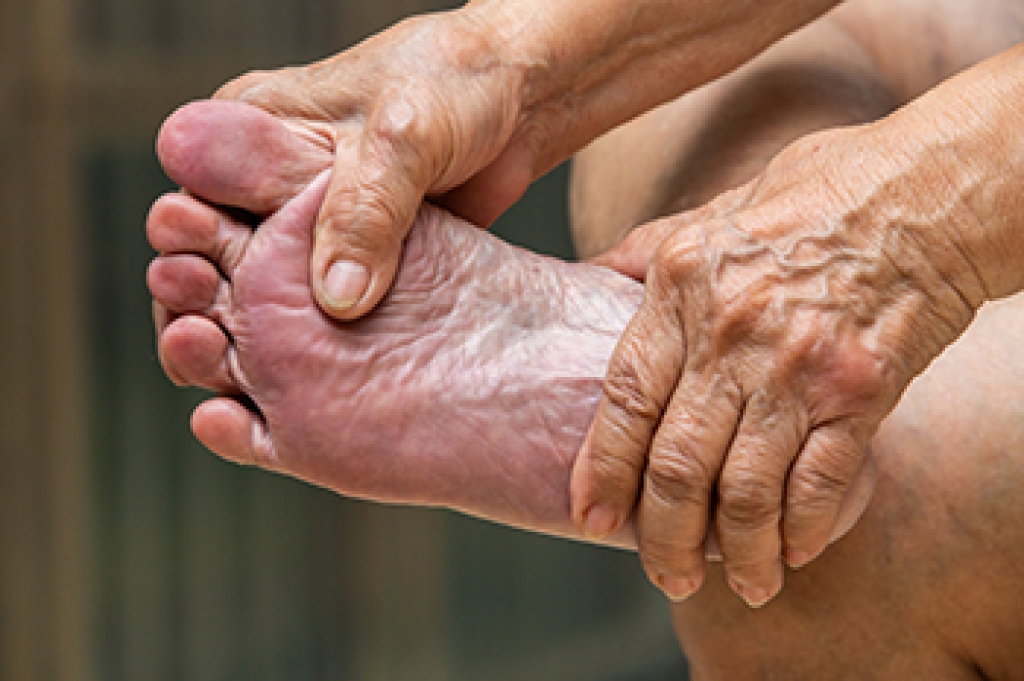
Read more about Elderly Foot Care
scroll to top