
Have you noticed a bony protrusion on the side of your big toe? If so, you may have developed the foot condition known as a bunion. Don't let bunions interfere with your daily activities.
Have you noticed a bony protrusion on the side of your big toe? If so, you may have developed the foot condition known as a bunion. Don't let bunions interfere with your daily activities.

Ankle pain is a widespread condition that can limit movement, affect balance, and reduce overall quality of life. It may result from a sudden injury or develop gradually due to joint wear and degeneration. Common causes include sprains, fractures, and cartilage damage within the joint. Individuals often report swelling, reduced range of motion, and ongoing discomfort during walking or standing. Risk factors such as aging, excess body weight, repetitive strain, and a history of ankle injuries can increase the likelihood of developing chronic symptoms. Without proper care, ankle pain may worsen over time and interfere with daily activities.
When non-surgical treatments such as rest, bracing, and orthotics do not provide relief, ankle arthroplasty may be considered. This type of foot surgery, often referred to as total ankle replacement, involves removing damaged joint surfaces and replacing them with artificial components. The goal is to restore smoother movement while reducing pain. In contrast to ankle fusion, which restricts motion, this approach is designed to preserve flexibility and support a more natural walking pattern.
The surgery is performed in a sterile setting by a trained podiatric surgeon. Damaged bone and cartilage are carefully removed, and prosthetic components made of durable metal and medical-grade plastic are inserted to recreate the joint. Following surgery, patients participate in a structured recovery plan that includes gradual weight-bearing and guided rehabilitation. Many patients experience improved alignment, decreased pain, and better overall function after healing.
Ankle arthroplasty is not appropriate for every patient. Those with severe deformity, compromised bone quality, or active infection may require alternative treatment options. A detailed evaluation is essential to determine candidacy and ensure the best outcome. If you have chronic ankle pain and are considering this procedure, it is suggested that you consult a podiatrist who can determine if this type of foot surgery is appropriate for your condition.
Foot surgery is sometimes necessary to treat a foot ailment. To learn more, contact Paula F. Angelini, DPM of Board Certified Foot Care. Our doctor will assist you with all of your foot and ankle needs.
When Is Surgery Necessary?
Foot and ankle surgery is generally reserved for cases in which less invasive, conservative procedures have failed to alleviate the problem. Some of the cases in which surgery may be necessary include:
What Types of Surgery Are There?
The type of surgery you receive will depend on the nature of the problem you have. Some of the possible surgeries include:
Benefits of Surgery
Although surgery is usually a last resort, it can provide more complete pain relief compared to non-surgical methods and may allow you to finally resume full activity.
Surgical techniques have also become increasingly sophisticated. Techniques like endoscopic surgery allow for smaller incisions and faster recovery times.
If you have any questions, please feel free to contact our offices located in Attleboro, Foxborough, Southborough, and Sudbury, MA . We offer the newest diagnostic and treatment technologies for all your foot care needs.

Achilles tendonitis develops when the strong tendon that connects the calf muscles to the heel becomes irritated from repeated strain. This tendon plays an important role in walking, running, and rising onto the toes. Pain usually begins at the back of the heel or ankle and can become more noticeable after resting or while taking part in physical activity. Many patients also experience stiffness when getting out of bed in the morning. The discomfort sometimes eases after moving around, but returns as activity continues. Swelling and tenderness along the tendon are also common. Some people notice difficulty climbing stairs or pushing off the ground while walking. Ignoring these warning signs can allow the condition to become more severe and interfere with daily movement.
Repeated stress on the tendon is the leading cause of Achilles tendonitis. A sudden increase in exercise, frequent running, or sports that involve jumping can place extra strain on the tendon. Tight calf muscles and flat feet can also change the way the foot moves, creating added pressure. Wearing shoes that lack proper support can make the problem worse. Risk increases with age, and is also higher in people who spend long hours on their feet. Certain health conditions, like arthritis, excess body weight, and high blood pressure, are linked with a greater chance of developing Achilles tendonitis.
A podiatrist can diagnose Achilles tendonitis through a careful medical history and a physical examination. The affected tendon is checked for swelling, tenderness, and range of motion. Imaging tests, like X-rays or an MRI scan, can help rule out other conditions or confirm damage when necessary. After making a diagnosis, a podiatrist can develop a treatment plan that reduces strain on the tendon and improves foot function. Treatment options also include custom orthotics, changes in shoe selection, or other advanced care based on the severity. If you are experiencing Achilles tendon pain, it is suggested that you schedule an appointment with a podiatrist for a diagnosis and appropriate treatment.
Achilles tendon injuries need immediate attention to avoid future complications. If you have any concerns, contact Paula F. Angelini, DPM of Board Certified Foot Care. Our doctor can provide the care you need to keep you pain-free and on your feet.
What Is the Achilles Tendon?
The Achilles tendon is a tendon that connects the lower leg muscles and calf to the heel of the foot. It is the strongest tendon in the human body and is essential for making movement possible. Because this tendon is such an integral part of the body, any injuries to it can create immense difficulties and should immediately be presented to a doctor.
What Are the Symptoms of an Achilles Tendon Injury?
There are various types of injuries that can affect the Achilles tendon. The two most common injuries are Achilles tendinitis and ruptures of the tendon.
Achilles Tendinitis Symptoms
Rupture Symptoms
Treatment and Prevention
Achilles tendon injuries are diagnosed by a thorough physical evaluation, which can include an MRI. Treatment involves rest, physical therapy, and in some cases, surgery. However, various preventative measures can be taken to avoid these injuries, such as:
If you have any questions please feel free to contact our offices located in Attleboro, Foxborough, Southborough, and Sudbury, MA . We offer the newest diagnostic tools and technology to treat your foot and ankle needs.

Plantar warts are growths that develop on the bottom of the foot after the skin becomes infected with the human papillomavirus, or HPV. This is a virus that enters through tiny breaks in the skin. These warts usually appear on weight-bearing areas like the heel or the ball of the foot, where pressure pushes them inward instead of outward. As a result, walking can become painful, and some people feel like they are stepping on a small pebble. Plantar warts can appear alone or in groups. They also have tiny black dots that are small, clotted blood vessels. A podiatrist can examine the affected area and determine whether the growth is a plantar wart or another foot condition.
Several factors increase the chance of developing plantar warts. Walking barefoot in public places, like locker rooms or swimming pool areas, raises the risk of exposure to the virus. Children, teenagers, and people with weakened immune systems are also more likely to develop these warts. The location of a plantar wart can change the way a person walks, which sometimes leads to discomfort in other parts of the foot. A podiatrist performs a thorough examination and can diagnose plantar warts by their appearance and location. In some cases, additional testing helps confirm the diagnosis and rule out other skin conditions.
Treatment depends on the size, location, and number of plantar warts. A podiatrist can remove layers of the wart, apply prescription-strength medications, or use freezing treatments to destroy the infected tissue. Some patients benefit from laser treatment or another advanced procedure for stubborn warts. Surgery is recommended in certain cases when other treatments do not provide enough improvement. Prompt treatment helps reduce pain, improve comfort while walking, and lower the chance of the wart spreading to nearby skin. If you have developed one or more plantar warts, it is suggested that you schedule an appointment with a podiatrist for effective relief and treatment solutions.
Plantar warts can be very uncomfortable. If you need your feet checked, contact Paula F. Angelini, DPM from Board Certified Foot Care. Our doctor will assist you with all of your foot and ankle needs.
About Plantar Warts
Plantar warts are the result of HPV, or human papillomavirus, getting into open wounds on the feet. They are mostly found on the heels or balls of the feet.
While plantar warts are generally harmless, those experiencing excessive pain or those suffering from diabetes or a compromised immune system require immediate medical care. Plantar warts are easily diagnosed, usually through scraping off a bit of rough skin or by getting a biopsy.
Symptoms
Treatment
To help prevent developing plantar warts, avoid walking barefoot over abrasive surfaces that can cause cuts or wounds for HPV to get into. Avoiding direct contact with other warts, as well as not picking or rubbing existing warts, can help prevent the further spread of plantar warts. However, if you think you have developed plantar warts, speak to your podiatrist. He or she can diagnose the warts on your feet and recommend the appropriate treatment options.
If you have any questions, please feel free to contact our offices located in Attleboro, Foxborough, Southborough, and Sudbury, MA . We offer the newest diagnostic and treatment technologies for all your foot care needs.
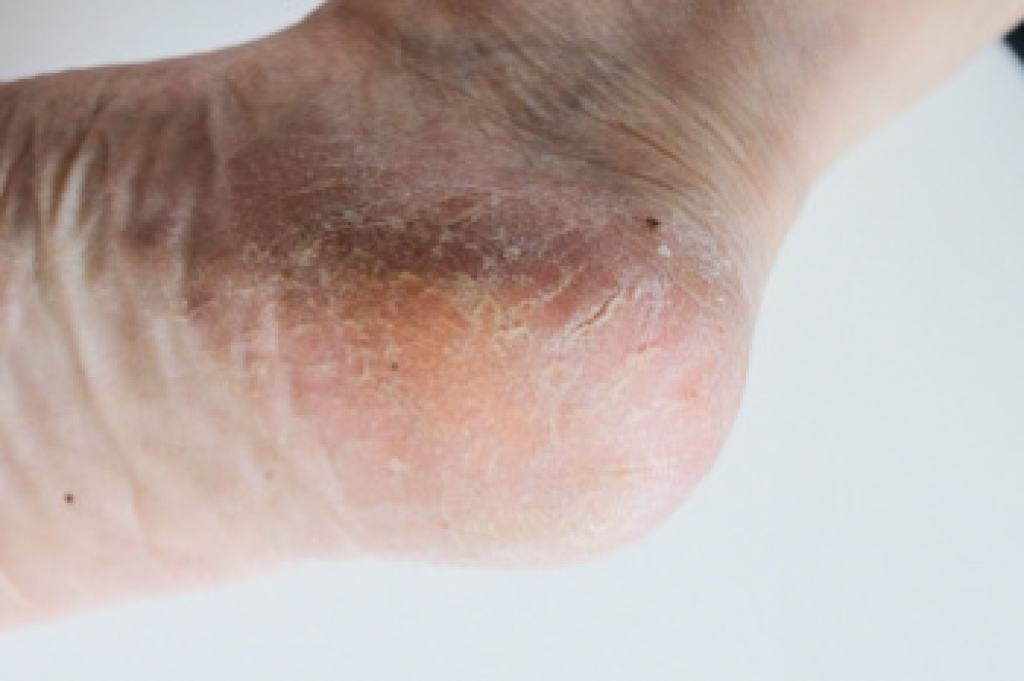
Cracked heels are splits in the heel that develop when dry or thickened skin loses flexibility. This condition can cause discomfort, and, in more severe cases, pain with walking. Common causes include wearing open back footwear, aging skin that loses moisture, and weight gain that increases pressure on the heels, in addition to vitamin deficiency, and long periods of standing. Symptoms may include dry, rough skin, flaking, and visible cracks that can deepen over time. Risk factors include poor foot care and lack of proper hydration for the skin. A podiatrist can safely treat cracked heels and recommend moisturizing and protective solutions. If your cracked heels are painful or worsening, it is suggested that you consult a podiatrist who can offer effective relief and treatment solutions, which may include prescribed medication.
Cracked heels are unsightly and can cause further damage to your shoes and feet. If you have any concerns, contact Paula F. Angelini, DPM from Board Certified Foot Care. Our doctor can provide the care you need to keep you pain-free and on your feet.
Cracked Heels
Cracked heels appear unappealing and can make it harder for you walk around in sandals. Aside from looking unpleasant, cracked heels can also tear stockings, socks, and wear out your shoes. There are several methods to help restore a cracked heel and prevent further damage.
How Do You Get Them?
Dry skin is the number one culprit in creating cracked heels. Many athletes, walkers, joggers, and even swimmers suffer from cracked heels. Age and skin oil production play a role to getting cracked heels as well.
Promote Healing
Over the counter medicines can help, especially for those that need instant relief or who suffer from chronic dry feet.
Wear Socks – Wearing socks with medicated creams helps lock in moisture.
Moisturizers – Applying both day and night will help alleviate dryness which causes cracking.
Pumice Stones – These exfoliate and remove dead skin, which allows for smoother moisturizer application and better absorption into the skin.
Change in Diet
Eating healthy with a well-balanced diet will give the skin a fresh and radiant look. Your body responds to the kinds of food you ingest. Omega-3 fatty acids and zinc supplements can also revitalize skin tissue.
Most importantly, seek professional help if unsure how to proceed in treating cracked heels. A podiatrist will help you with any questions or information needed.
If you have any questions, please feel free to contact our offices located in Attleboro, Foxborough, Southborough, and Sudbury, MA . We offer the newest diagnostic and treatment technologies for all your foot care needs.