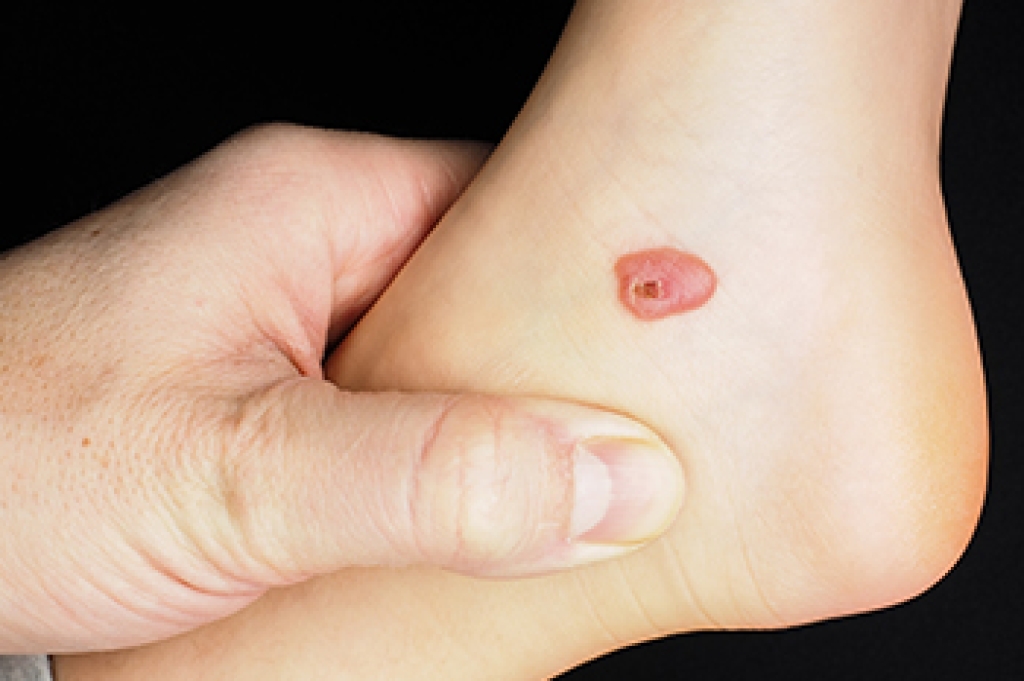
Diabetes is a metabolic condition that impacts the body ability to regulate blood sugar levels. When glucose remains elevated, it can lead to damage in various parts of the body, including the feet. The ankle and foot structures depend on healthy circulation and nerve function, both of which can be affected by diabetes. As a result, even minor injuries can develop into serious concerns, if not addressed promptly. Learning how to care for the feet each day is a key part of managing diabetes effectively.
Common symptoms of diabetes include fatigue, slow-healing wounds, and changes in sensation. In the feet, individuals may notice numbness, burning, or tingling. These symptoms can make it difficult to feel injuries, which increases the risk of unnoticed damage. Dry skin and cracking may also occur, creating openings for infection. Because of these factors, daily attention to foot health is not optional, but necessary for preventing complications and maintaining comfort.
Risk factors for diabetes-related foot issues include poor blood sugar control, smoking, and improper footwear. Foot care should begin with a daily inspection to check for cuts, blisters, or changes in skin color. Washing the feet with mild soap and warm water helps remove bacteria, while drying thoroughly prevents moisture buildup. Toenails should be trimmed straight across and filed gently to avoid injury. Wearing properly fitted shoes with adequate support protects the feet from pressure and friction that can lead to sores.
Treatment focuses on prevention and early intervention. Managing blood sugar levels plays a major role in reducing complications. Moisturizing the skin, avoiding walking barefoot, and choosing breathable footwear can support overall foot health. Regular visits to a podiatrist help monitor changes and address concerns before they progress. Consistent foot-care habits are essential for long term wellness. If you have diabetes and notice changes in your feet, it is strongly suggested that you are under the care of a podiatrist who can help you to manage this serious condition.
Diabetic foot care is important in preventing foot ailments such as ulcers. If you are suffering from diabetes or have any other concerns about your feet, contact Paula F. Angelini, DPM from Board Certified Foot Care. Our doctor can provide the care you need to keep you pain-free and on your feet.
Diabetic Foot Care
Diabetes affects millions of people every year. The condition can damage blood vessels in many parts of the body, especially the feet. Because of this, taking care of your feet is essential if you have diabetes, and having a podiatrist help monitor your foot health is highly recommended.
The Importance of Caring for Your Feet
- Routinely inspect your feet for bruises or sores.
- Wear socks that fit your feet comfortably.
- Wear comfortable shoes that provide adequate support.
Patients with diabetes should have their doctor monitor their blood levels, as blood sugar levels play such a huge role in diabetic care. Monitoring these levels on a regular basis is highly advised.
It is always best to inform your healthcare professional of any concerns you may have regarding your feet, especially for diabetic patients. Early treatment and routine foot examinations are keys to maintaining proper health, especially because severe complications can arise if proper treatment is not applied.
If you have any questions, please feel free to contact our offices located in Attleboro, Foxborough, Southborough, and Sudbury, MA . We offer the newest diagnostic and treatment technologies for all your foot care needs.