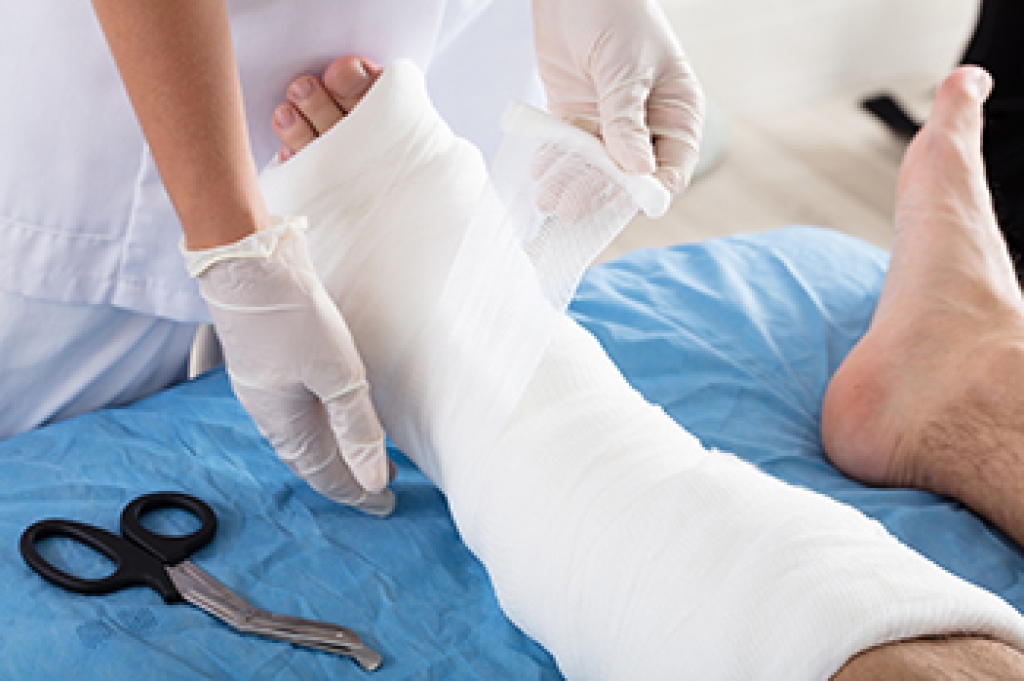
Off-Loading for Diabetic Foot Ulcers

Off-loading is a key part of treating diabetic foot ulcers because it reduces pressure on the injured area, allowing the skin to heal. Diabetics may lose feeling in their feet resulting from nerve damage. This can lead to repeated pressure on one spot without them noticing pain. Such constant pressure can delay healing and increase the risk of infection. Off-loading works by shifting weight away from the ulcer with medical devices. These may include special boots, braces, or custom-made shoes that spread pressure more evenly across the foot. A podiatrist can evaluate the ulcer, check blood flow, and assess how pressure affects walking. Early care is important to prevent more serious complications and protect long-term foot health. If you have foot ulcers as a result of diabetes, it is suggested that you make an appointment with a podiatrist for a diagnosis and ongoing treatment.

Wound care is an important part in dealing with diabetes. If you have diabetes and a foot wound or would like more information about wound care for diabetics, consult with Paula F. Angelini, DPM from Board Certified Foot Care. Our doctor will assess your condition and provide you with quality foot and ankle treatment.

What Is Wound Care?

Wound care is the practice of taking proper care of a wound. This can range from the smallest to the largest of wounds. While everyone can benefit from proper wound care, it is much more important for diabetics. Diabetics often suffer from poor blood circulation which causes wounds to heal much slower than they would in a non-diabetic. 

What Is the Importance of Wound Care?

While it may not seem apparent with small ulcers on the foot, for diabetics, any size ulcer can become infected. Diabetics often also suffer from neuropathy, or nerve loss. This means they might not even feel when they have an ulcer on their foot. If the wound becomes severely infected, amputation may be necessary. Therefore, it is of the upmost importance to properly care for any and all foot wounds.

How to Care for Wounds

The best way to care for foot wounds is to prevent them. For diabetics, this means daily inspections of the feet for any signs of abnormalities or ulcers. It is also recommended to see a podiatrist several times a year for a foot inspection. If you do have an ulcer, run the wound under water to clear dirt from the wound; then apply antibiotic ointment to the wound and cover with a bandage. Bandages should be changed daily and keeping pressure off the wound is smart. It is advised to see a podiatrist, who can keep an eye on it.

If you have any questions please contact our offices located in Attleboro, Foxborough, Southborough, and Sudbury, MA . We offer the newest diagnostic and treatment technologies for all your foot and ankle needs.

Read more about Wound Care

Ease Painful Feet With Orthotics

Custom orthotics can be used to relieve foot pain and discomfort. They're also used to treat various foot conditions and deformities. Flat feet, bunions, and Morton's neuroma are just a few of the foot conditions that have been known to benefit from the use of orthotics.

Comfy feet are happy feet! Contact us today.

When the Toenail Separates From Its Bed

When a toenail separates from the skin beneath it, the condition is called onycholysis. This can make the nail look white or yellow where it has lifted, while the rest of the nail remains pink. The area may collect debris and can sometimes develop an odor or mild discomfort. Causes of toenail separation include repeated pressure from shoes, direct injury, and fungal infection. Certain medical conditions that affect nail growth may also be a factor. In some cases, the nail edge becomes uneven or thickened as it pulls away from the nail bed. A podiatrist can examine the nail closely, determine the cause, and check for infection or underlying disease.  Trimming the damaged portion and testing nail samples may also be involved. Treatment plans include managing infection, reducing pressure on the nail, and guiding healthy regrowth. If your toenail lifts from the nail bed, it is suggested that you schedule an appointment with a podiatrist for a diagnosis and appropriate treatment.

Toe pain can disrupt your daily activities. If you have any concerns, contact Paula F. Angelini, DPM of Board Certified Foot Care. Our doctor can provide the care you need to keep you pain-free and on your feet.

What Causes Toe Pain?

Most severe toe pain is caused due to a sports injury, trauma from dropping something heavy on the toe, or bumping into something rigid. Other problems can develop over time for various reasons.

Toe pain can be caused by one or more ailments. The most common include:

  • Trauma
  • Sports injury
  • Wearing shoes that are too tight
  • Arthritis
  • Gout
  • Corns and calluses
  • Hammertoe
  • Bunions
  • Blisters
  • Ingrown toenails
  • Sprains
  • Fractures (broken bones)
  • Dislocations

When to See a Podiatrist

  • Severe pain
  • Persistent pain that lasts more than a week
  • Signs of infection
  • Continued swelling
  • Pain that prevents walking

Diagnosis

In many cases the cause of toe pain is obvious, but in others, a podiatrist may want to use more advanced methods to determine the problem. These can range from simple visual inspections and sensation tests to X-rays and MRI scans. Prior medical history, family medical history, and any recent physical traumatic events will all be taken into consideration for a proper diagnosis.

Treatment

Treatments for toe pain and injuries vary and may include shoe inserts, padding, taping, medicines, injections, and in some cases, surgery. If you believe that you have broken a toe, please see a podiatrist as soon as possible.

If you have any questions please contact our offices located in Attleboro, Foxborough, Southborough, and Sudbury, MA . We offer the newest diagnostic and treatment technologies for all your foot and ankle needs.

Read more about Toe Pain

Running Smart and Staying Strong

Running offers great benefits, from improved heart health to better mood and endurance, but it can also lead to injury if not done carefully. Many runners deal with issues like shin splints, plantar fasciitis, or stress fractures when they increase mileage too quickly or wear improper shoes. Paying attention to form, pacing, and surface can make a big difference in how your body responds. Gradual training allows muscles and joints to adapt, lowering the risk of strain. It is also important to understand your foot type, as this affects how you move and absorb impact. A podiatrist can evaluate your gait, recommend supportive footwear, and provide custom orthotics, if needed. They can also address early signs of injury before they become serious problems. It is suggested that if you experience foot pain while running, you see a podiatrist for appropriate relief and treatment solutions.

All runners should take extra precaution when trying to avoid injury. If you have any concerns about your feet, contact Paula F. Angelini, DPM of Board Certified Foot Care. Our doctor will treat your foot and ankle needs.

How to Prevent Running Injuries

There are a lot of mistakes a runner can make prior to a workout that can induce injury. A lot of athletes tend to overstretch before running, instead of saving those workouts for a post-run routine. Deep lunges and hand-to-toe hamstring pulls should be performed after a workout instead of during a warmup. Another common mistake is jumping into an intense routine before your body is physically prepared for it. You should try to ease your way into long-distance running instead of forcing yourself to rush into it.

More Tips for Preventing Injury

  • Incorporate Strength Training into Workouts - This will help improve the body’s overall athleticism
  • Improve and Maintain Your Flexibility – Stretching everyday will help improve overall performance
  • “Warm Up” Before Running and “Cool Down” Afterward – A warm up of 5-10 minutes helps get rid of lactic acid in the muscles and prevents delayed muscle soreness
  • Cross-Training is Crucial
  • Wear Proper Running Shoes
  • Have a Formal Gait Analysis – Poor biomechanics can easily cause injury

If you have any questions, please feel free to contact our offices located in Attleboro, Foxborough, Southborough, and Sudbury, MA . We offer the newest diagnostic and treatment technologies for all your foot care needs.

Read more about How to Prevent Running Injuries

Cracked Heels and Foot Health Care

Cracked heels occur when the skin on the heel becomes dry  and thick, and splits due to pressure and reduced moisture. Common causes include prolonged standing, wearing open back shoes, and lack of proper hydration of the skin. A frequent reason is athlete’s foot, a fungal infection that weakens the skin barrier, leading to peeling and increased risk of fissures. Symptoms include rough texture, flaking, itching, discomfort, and painful cracks that may worsen over time. Risk factors include dry environments, obesity, poor foot hygiene, and wearing unsupportive footwear. A podiatrist can safely remove thickened skin, treat infections, and recommend effective moisturizers and footwear. If you have developed cracked heels, it is suggested that you consult a podiatrist who can accurately treat this condition, which may include prescribed medication.

If the skin on your feet starts to crack, you may want to see a podiatrist to find treatment. If you have any concerns, contact Paula F. Angelini, DPM from Board Certified Foot Care. Our doctor can provide the care you need to keep you pain-free and on your feet.

Cracked Heels

It is important to moisturize your cracked heels in order to prevent pain, bleeding, and infection. The reason cracked heels form is because the skin on the foot is too dry to support the immense pressure placed on them. When the foot expands, the dry skin on the foot begins to split.

Ways to Help Heal Them

  • Invest in a good foot cream
  • Try Using Petroleum Jelly
  • Ease up on Soaps
  • Drink Plenty of Water

Ways to Prevent Cracked Heels

  • Moisturize After Showering
  • Skip a Shower
  • Keep Shower Water Lukewarm
  • Don’t Scrub Your Feet

If you are unsure how to proceed in treating cracked heels, seek guidance from a podiatrist. Your doctor will help you with any questions or information you may need. 

If you have any questions, please feel free to contact our offices located in Attleboro, Foxborough, Southborough, and Sudbury, MA . We offer the newest diagnostic and treatment technologies for all your foot care needs.

Read more about Solutions for Cracked Heels
scroll to top