
Hammertoe Surgery and What to Expect

Hammertoe surgery is used to correct a toe that bends abnormally at its middle joint, creating a hammer-like appearance. This deformity commonly affects the second, third, or fourth toe, and may become more painful as it progresses. Hammertoe develops when muscles and tendons become unbalanced, causing the toe to remain bent. Symptoms may include stiffness, discomfort while walking, and difficulty wearing regular shoes. Some people also develop corns where the affected toe rubs against footwear. Risk factors include inherited foot structure, arthritis, and wearing narrow shoes that squeeze the toes. When the deformity interferes with everyday activities, surgical correction may offer lasting relief.

Hammertoe surgery is generally considered when conservative treatments do not provide enough relief or the toe becomes rigid. Early hammertoe may improve with wider footwear, protective padding, and custom orthotics that reduce pressure. During an evaluation, a podiatrist examines toe flexibility, joint alignment, and areas of tenderness. X-rays may be taken to assess the bones and determine the severity of the deformity. The podiatrist also reviews your medical history and discusses treatment options. Surgery may be recommended when pain continues despite other treatments or when the affected toe makes walking and wearing shoes difficult. 


The surgical approach depends on whether the hammertoe remains flexible or has become rigid. For a flexible toe, the podiatrist may release or reposition a tendon to help restore alignment. If the joint is rigid, a small portion of bone may be removed so the toe can straighten. In some cases, a temporary pin or another fixation device holds the toe in position while healing begins. The procedure may use local anesthesia, sometimes with additional sedation. Possible risks include infection, swelling, and recurrence of the deformity. Smoking, diabetes, and poor circulation may increase the risk of healing complications. Discussing these concerns before surgery helps you understand what to expect and prepare for recovery.


After hammertoe surgery, the podiatrist provides instructions to protect the toe and support healing. You may need a surgical shoe or dressing to reduce pressure on the treated area. Keeping your foot elevated can help manage swelling, while follow-up appointments allow the podiatrist to check the incision and toe alignment. You must follow weight-bearing instructions carefully because too much pressure can interfere with healing. Recovery time varies depending on the procedure and your overall health. If you have hammertoe that causes persistent pain or makes walking difficult, it is suggested that you consult a podiatrist who can determine if this type of foot surgery is right for you. 

Foot surgery is sometimes necessary to treat a foot ailment. To learn more, contact Paula F. Angelini, DPM of Board Certified Foot Care. Our doctor will assist you with all of your foot and ankle needs.

When Is Surgery Necessary?

Foot and ankle surgery is generally reserved for cases in which less invasive, conservative procedures have failed to alleviate the problem. Some of the cases in which surgery may be necessary include:

  • Removing foot deformities like bunions and bone spurs
  • Severe arthritis that has caused bone issues
  • Cosmetic reconstruction

What Types of Surgery Are There?

The type of surgery you receive will depend on the nature of the problem you have. Some of the possible surgeries include:

  • Bunionectomy for painful bunions
  • Surgical fusion for realignment of bones
  • Neuropathy decompression surgery to treat nerve damage

Benefits of Surgery

Although surgery is usually a last resort, it can provide more complete pain relief compared to non-surgical methods and may allow you to finally resume full activity.

Surgical techniques have also become increasingly sophisticated. Techniques like endoscopic surgery allow for smaller incisions and faster recovery times.

If you have any questions, please feel free to contact our offices located in Attleboro, Foxborough, Southborough, and Sudbury, MA . We offer the newest diagnostic and treatment technologies for all your foot care needs.

Read more about Foot Surgery

Gout Pain Can Be Managed

Gout is a painful, inflammatory form of arthritis. Those affected will typically feel an intense stiffness in the joints of their feet, particularly in the big toe. Schedule a visit to learn about how gout can be managed and treated.

Aging Feet May Cause Foot Pain

As you age, changes in your feet can make walking less comfortable and everyday activities more challenging. The natural cushioning beneath the feet may thin, skin can become drier, and joints may lose flexibility. These changes can increase the likelihood of foot pain and affect balance. Common age-related foot problems include plantar fasciitis, stress fractures, and bunions. Symptoms may develop gradually, making it easy to dismiss discomfort as a normal part of getting older. However, persistent pain deserves attention because early treatment can help preserve mobility and prevent further complications.

Plantar fasciitis develops when the plantar fascia, a thick band of tissue supporting the arch, becomes irritated from repeated strain. Aging, prolonged standing, and tight calf muscles can increase the risk. A common symptom is sharp heel pain during the first steps after waking or resting. The discomfort may ease with movement but return after extended activity. Supportive shoes and appropriate stretching may help reduce strain, while a podiatrist can recommend additional treatment based on the severity of symptoms.


Stress fractures are small cracks in bones caused by repeated pressure or overuse. As bones gradually lose density with age, they may become more vulnerable to these injuries. Increasing walking activity too quickly or wearing unsupportive footwear can also contribute. Symptoms often include localized pain that worsens with weight-bearing and swelling near the affected bone. Rest and reduced weight-bearing are important, and a podiatrist may order imaging to confirm the injury and recommend a boot or other protection.


Bunions develop when the joint at the base of the big toe shifts out of alignment, creating a noticeable bump on the side of the foot. Genetics, arthritis, and wearing narrow footwear can contribute to their development. Symptoms include tenderness and difficulty finding comfortable shoes. A podiatrist can assess foot alignment and recommend wider footwear, padding, or custom orthotics. Severe cases may require surgery. If you have age-related foot pain, it is suggested that you consult a podiatrist for an accurate diagnosis and appropriate treatment.

Proper foot care is something many older adults forget to consider. If you have any concerns about your feet and ankles, contact Paula F. Angelini, DPM from Board Certified Foot Care. Our doctor can provide the care you need to keep you pain-free and on your feet.

The Elderly and Their Feet

As we age we start to notice many changes in our body, but the elder population may not notice them right away. Medical conditions may prevent the elderly to take notice of their foot health right away. Poor vision is a lead contributor to not taking action for the elderly.

Common Conditions 

  • Neuropathy – can reduce feeling in the feet and can hide many life-threatening medical conditions.
  • Reduced flexibility – prevents the ability of proper toenail trimming, and foot cleaning. If left untreated, it may lead to further medical issues.
  • Foot sores – amongst the older population can be serious before they are discovered. Some of the problematic conditions they may face are:
  • Gouging toenails affecting nearby toe
  • Shoes that don’t fit properly
  • Pressure sores
  • Loss of circulation in legs & feet
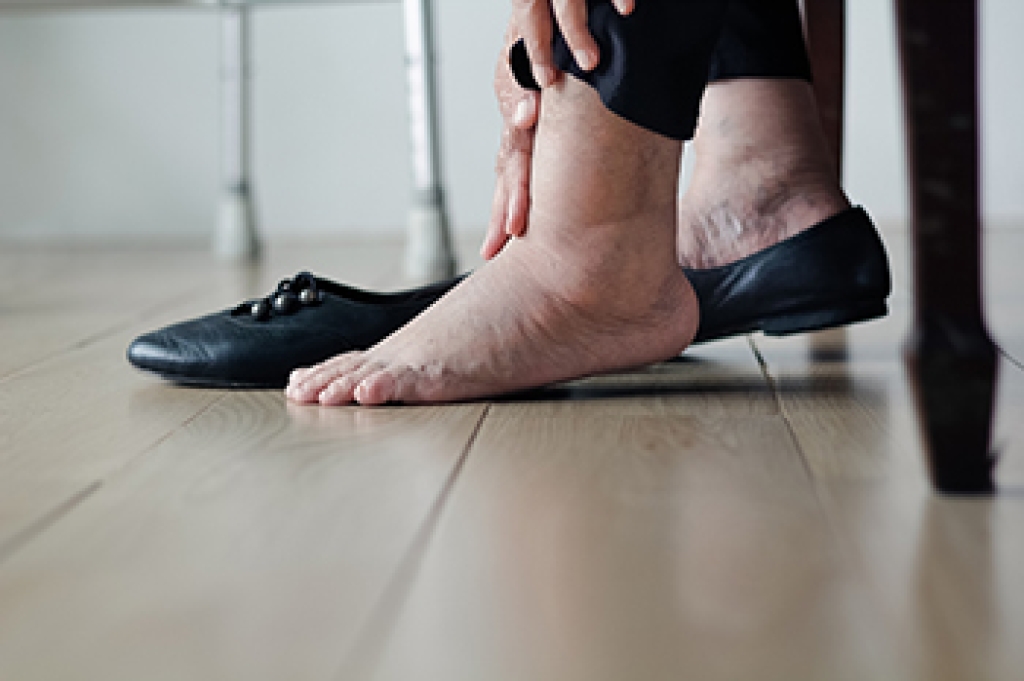
  • Edema & swelling of feet and ankles

Susceptible Infections

Diabetes and poor circulation can cause general loss of sensitivity over the years, turning a simple cut into a serious issue.

If you have any questions, please feel free to contact our offices located in Attleboro, Foxborough, Southborough, and Sudbury, MA . We offer the newest diagnostic and treatment technologies for all your foot care needs.
Read more about Taking Care of Elderly Feet

Heel Pain Common Among Athletes

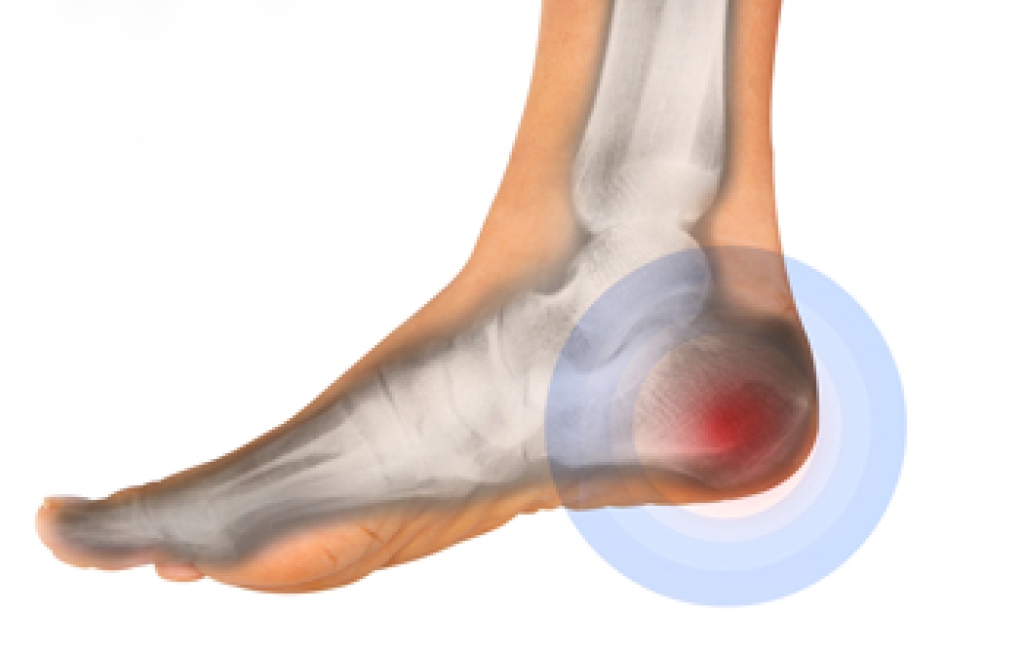
Heel pain can stop an athlete from training, competing, or moving comfortably. The location of the pain can provide a clue about its cause. Pain under the heel is frequently linked to plantar fasciitis, which is irritation of the tissue that supports the arch. Pain at the back of the heel also can involve the Achilles tendon or a fluid-filled sac called a bursa. Repeated impact can cause a heel-bone stress fracture. Sudden increases in training, hard playing surfaces, and wearing shoes that lack proper support can raise the risk of these problems.

Symptoms differ based on the injured area. Plantar fasciitis usually causes sharp pain with the first steps after rest, while an Achilles problem can hurt during running or jumping. A stress fracture can cause pain that becomes stronger with activity and may continue at rest. Because several conditions produce similar symptoms, athletes should avoid returning to full activity before the cause is identified. Continuing to train through pain can worsen tissue damage, change the way the athlete moves, and place added strain on other parts of the foot or ankle.

A podiatrist can examine the heel, review the athlete’s training pattern, and assess foot movement. X-rays can reveal some bone problems, while other imaging tests can identify a stress fracture or soft-tissue injury that is difficult to see. Treatment depends on the diagnosis and severity. A podiatrist can recommend temporary activity changes, supportive shoes, or custom orthotics to improve pressure distribution. Treatment can also include immobilization to protect an injured area. Surgery is reserved for severe injuries or problems that do not improve with other care. The podiatrist can guide a gradual return to sport and address training or shoe factors that could contribute to another injury. If you have heel pain after exercise or sports activity, it is suggested that you schedule an appointment with a podiatrist for a diagnosis and appropriate treatment.

Many people suffer from bouts of heel pain. For more information, contact Paula F. Angelini, DPM of Board Certified Foot Care. Our doctor can provide the care you need to keep you pain-free and on your feet.

Causes of Heel Pain

Heel pain is often associated with plantar fasciitis. The plantar fascia is a band of tissues that extends along the bottom of the foot. A rip or tear in this ligament can cause inflammation of the tissue.

Achilles tendonitis is another cause of heel pain. Inflammation of the Achilles tendon will cause pain from fractures and muscle tearing. Lack of flexibility is also another symptom.

Heel spurs are another cause of pain. When the tissues of the plantar fascia undergo a great deal of stress, it can lead to ligament separation from the heel bone, causing heel spurs.

Why Might Heel Pain Occur?

  • Wearing ill-fitting shoes                
  • Wearing non-supportive shoes
  • Weight change           
  • Excessive running

Treatments

Heel pain should be treated as soon as possible for immediate results. Keeping your feet in a stress-free environment will help. If you suffer from Achilles tendonitis or plantar fasciitis, applying ice will reduce the swelling. Stretching before an exercise like running will help the muscles. Using all these tips will help make heel pain a condition of the past.

If you have any questions, please feel free to contact our offices located in Attleboro, Foxborough, Southborough, and Sudbury, MA . We offer the newest diagnostic and treatment technologies for all your foot care needs.

Read more about Heel Pain
scroll to top